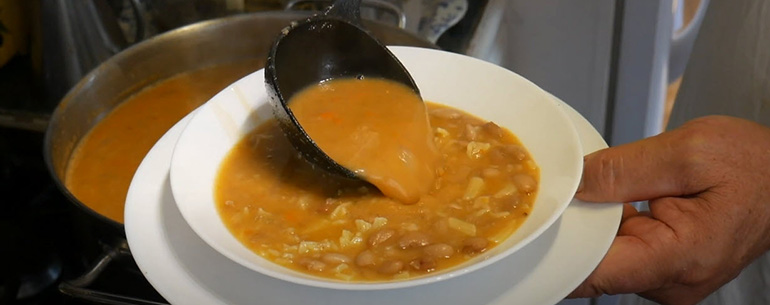

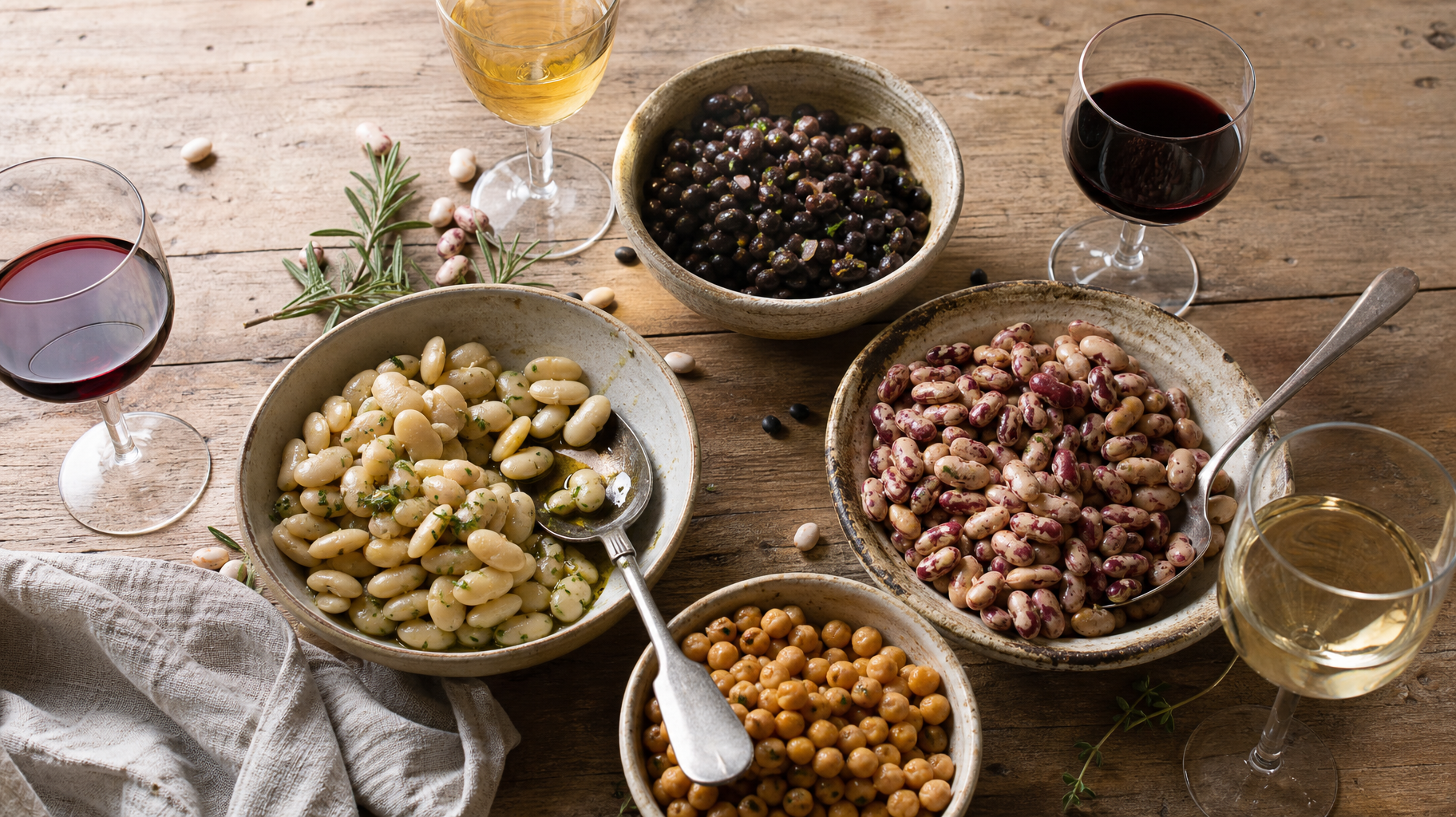
Beans are one of the most versatile ingredients in the pantry. They're hearty enough for chili and stews, creamy enough for soups and casseroles, and mild enough to work in salads and lighter dishes.
That versatility also makes beans surprisingly fun to pair with wine!
The trick is thinking about the bean's natural flavor, texture, and the way you're preparing it. A creamy Mayocoba Bean calls for something different than a smoky black bean chili, while delicate Orca Beans can shine alongside a lighter-bodied red.
Here are a few starting points for pairing High Plains beans with wine. Want it all in one place? Download our Wine and Bean Pairing Guide.
For Earthy, Hearty Beans
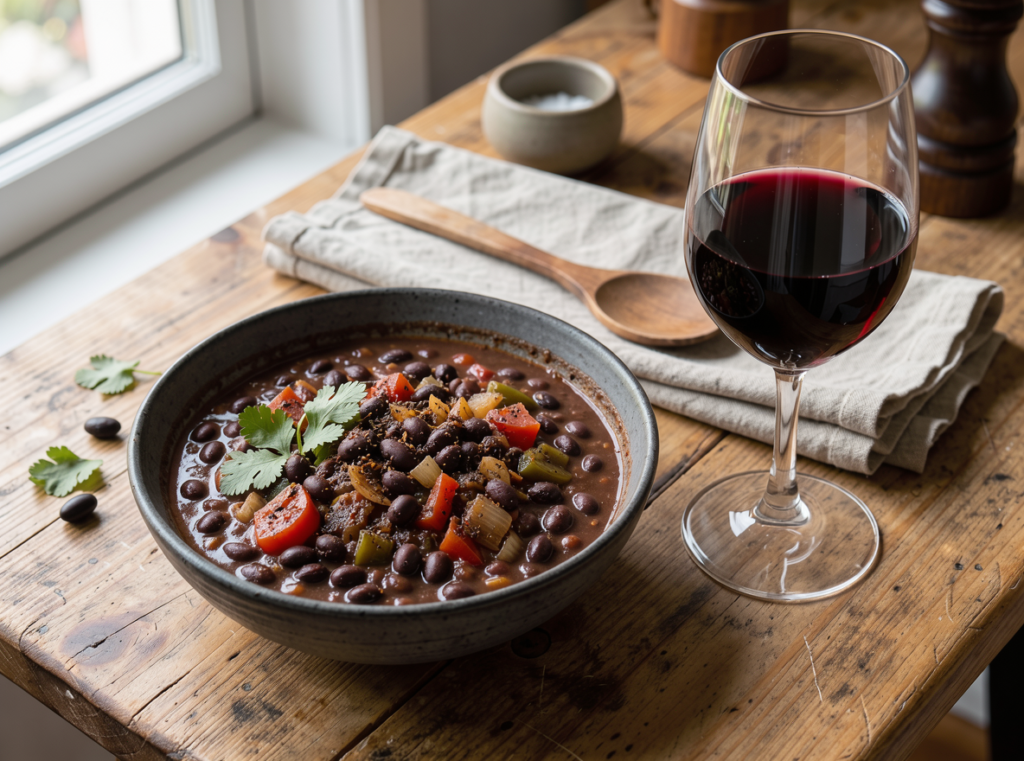
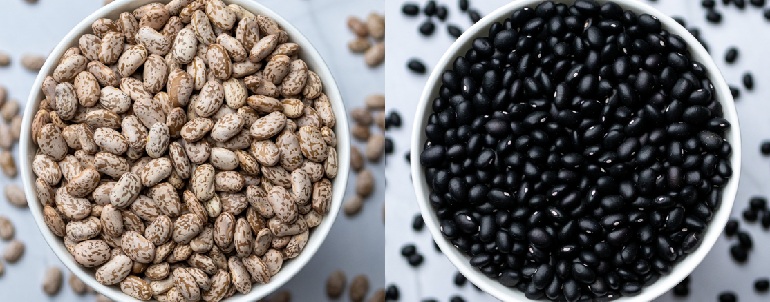
Pinto Beans are a natural place to start. Their earthy, nutty flavor pairs beautifully with the rustic character of Tempranillo, while Carménère brings complementary spice and herbal notes.
Black Beans can handle something with a little more intensity. Malbec and Syrah bring dark fruit, spice, and moderate tannins that complement the richness of black beans, particularly in smoky or Latin-inspired dishes.
For chili and other hearty preparations, Dark Red Kidney Beans have the structure to stand up to Cabernet Sauvignon and Malbec. Light Red Kidney Beans are a gentler option and pair well with softer reds like Merlot and Cabernet Franc.
For Creamy, Buttery Beans
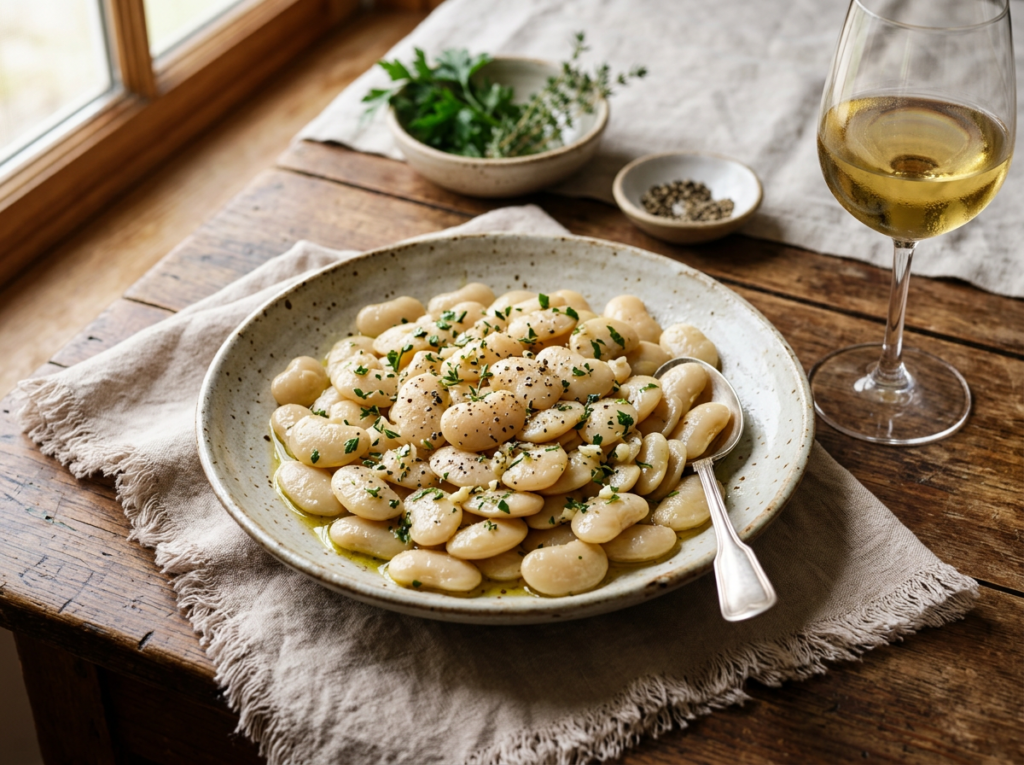
Some beans are practically asking for a glass of white wine.
Mayocoba Beans have a creamy, buttery texture and subtle sweetness that pair especially well with Viognier and Chenin Blanc.
Baby Lima Beans offer a similar creamy texture and work beautifully with Chenin Blanc or Chardonnay. Green Baby Lima Beans are especially delicate, making aromatic whites like Viognier and Chenin Blanc a natural choice.
And when it comes to Large Lima Beans, or Butter Beans, you can go even richer. Their luxurious texture can stand up to fuller-bodied whites like Chardonnay and White Rhône blends.
For Mild Beans
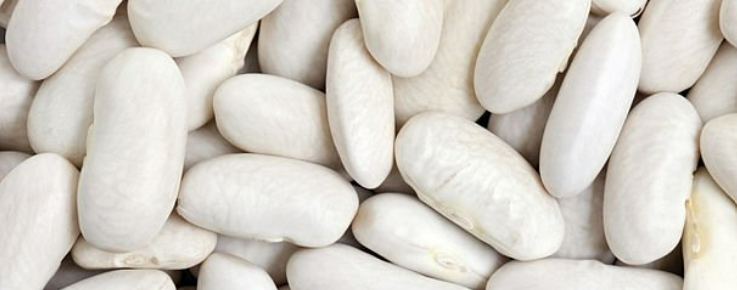
Great Northern Beans have a mild flavor and subtle nuttiness, so the wine shouldn't overpower them. Sauvignon Blanc and unoaked Chardonnay provide the clean, crisp character needed to enhance the bean while keeping its flavor at the center.
Orca Beans are another variety where a lighter touch works best. Their delicate flavor pairs nicely with Pinot Noir and Gamay, two lighter-bodied reds that emphasize elegance over intensity.
For Mediterranean-Inspired Dishes
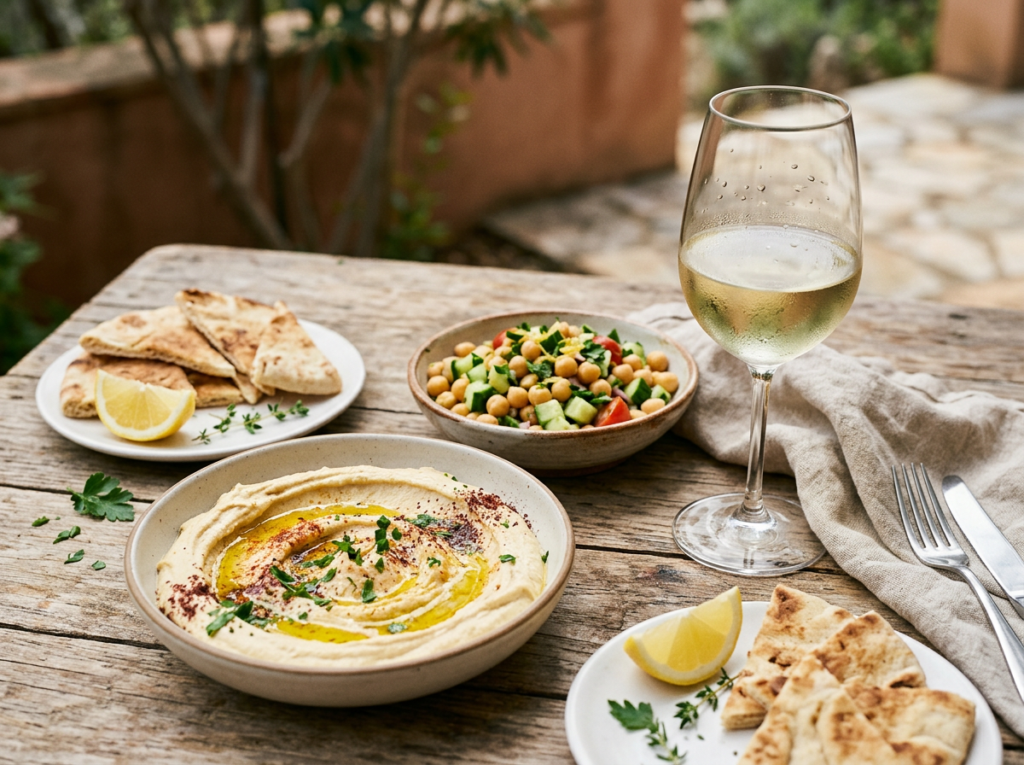
Chickpeas have a natural connection to Mediterranean flavors, making them an easy match for bright, refreshing white wines.
Vermentino and Albariño complement the citrus, mineral, and herbal notes often found alongside chickpeas. Try them with hummus, chickpea salads, or roasted chickpea dishes.
For Something a Little Different
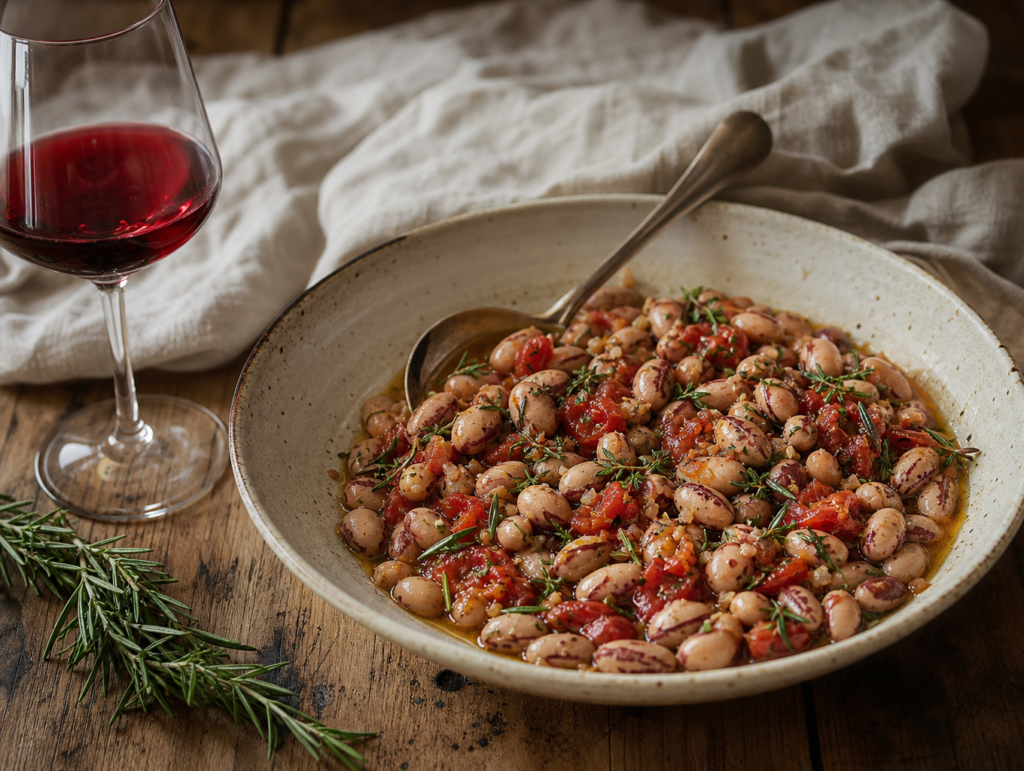
Cranberry Beans, also known as Borlotti beans, bring a nutty, chestnut-like flavor and creamy texture to the table. Pinot Noir highlights their earthy qualities, while Barbera adds the acidity needed for richer preparations.
Small Red Beans have a more robust flavor and pair nicely with fruit-forward, peppery reds like Zinfandel and Grenache.
Black-Eyed Peas offer another unexpected option. Their Southern-style preparations pair beautifully with floral Viognier or a dry Grenache-based rosé.
Richlea Lentils bring an earthy, savory quality that benefits from wines with plenty of freshness. Grüner Veltliner and Sauvignon Blanc both provide the bright acidity needed to create a balanced pairing.
Let the Dish Guide You
The bean is only part of the equation.
Consider what's in the rest of the dish. A smoky preparation may call for a wine with more body and spice, while a simple bean salad may be better with something crisp and refreshing.
Once you start thinking about wine pairing this way, the possibilities are almost endless.
So pour a glass, grab a bag of beans, and start experimenting!
Want a little more inspiration? Check out our curated Wine and Bean Pairing Guide: